Article: Sober-curiousity and intentional wellness: Why mocktails and matcha are restaurant industry essentials
Sober-curiousity and intentional wellness: Why mocktails and matcha are restaurant industry essentials
Low-alc or zero-proof? Mocktail or cocktail? The choices are endless, and not just for your main course. The one thing these questions have in common: the idea that traditional liquor may be on the outs. In the past three years, Tom Holland, Lewis Hamilton, Bella Hadid and Elton John have all launched non-alcoholic beverage companies. Tee-totaling is officially cool and here to stay.
How did we get here?
Over the past five years, we’ve seen an increased desire for wellness. People tend to be more ingredient-conscious than they used to be between meal-prepping, buying organic, and even choosing to drink alcohol or not. Even the American Food and Drug Association plans to phase out all petroleum-based synthetic dyes, including red dye-40, by 2027. Probiotic soda with less calories, less sugar, and a boost of fiber has taken grocery shelves by storm. The average restaurant-goer wants the same level of health-conscious choice and intentionality from their night out as from cooking at home.
Ingredients and health are at the forefront of all things food right now. That being said, mocktails are a major player in the wellness movement. The first mocktail originated during the prohibition era in 1916. “The Virgin Mary” was a non-alcoholic version of the classic Blood Mary. Around 2020, Heineken USA surveyed millennials, and 52% increased their non-alcoholic consumption well before 2020. Fast forward to 2026, mocktails have evolved into NA wines, kombucha has made appearances on menus, and adaptogenic, probiotic, or cannabis-infused drinks.
The matcha movement
This is where matcha comes in. Green tea has many health benefits, including being a steady source of energy without the crash, rich in plant-based antioxidants, and reduces inflammation. It’s no surprise that matcha has a chokehold on Gen-Z. The thread that connects matcha and the mocktail is how softer, healthier options are preferred over the standard. Other examples include premium iced teas and botanical apéritifs where presentation matters.
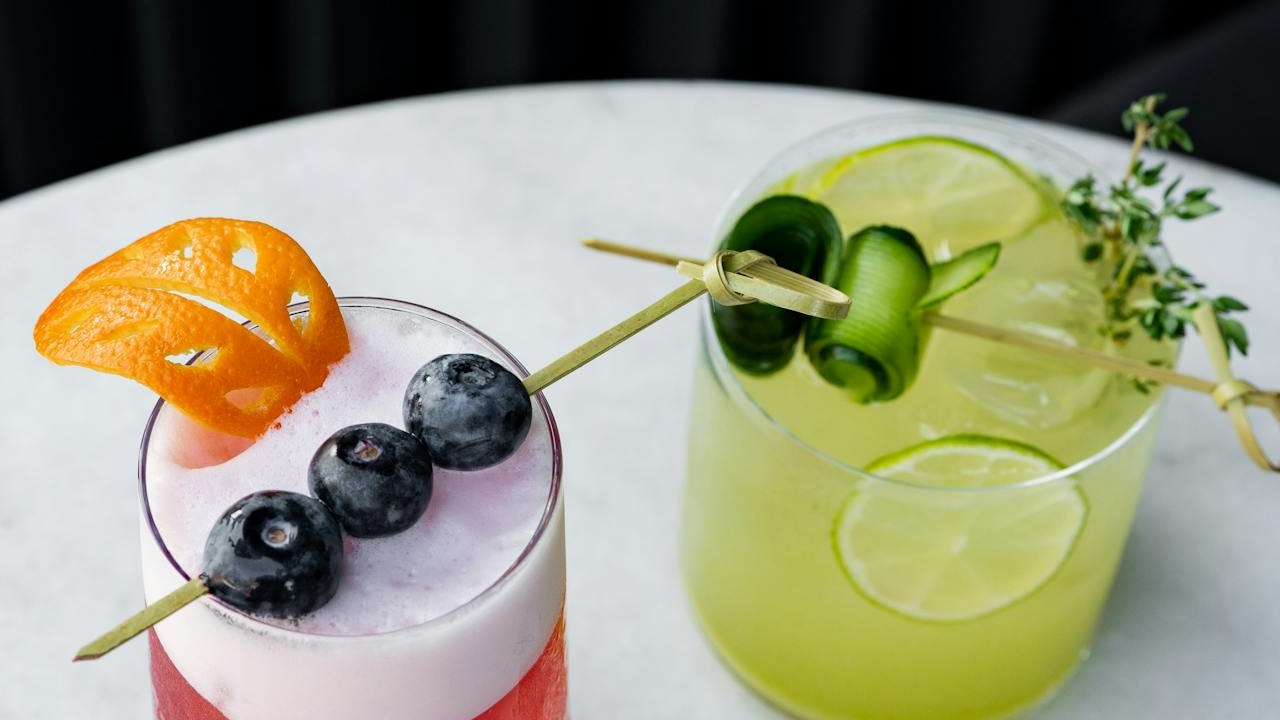
A matcha is a perfect opportunity for a photo op. More restaurant-goers are looking for an experience that they can enjoy in the moment, but also document. The foam art and inviting green color of a matcha latte and the sparkling bubbles in an ornate glass of a mocktail offers both, while being the healthier choice.
Elevated hospitality
Either drink, matcha or mocktail, gives the guest a sense of peace. They not only have options, but they can make a choice that supports their well-being while dining out. “Zebra-striping” is a common practice where consumers alternate between an alcoholic drink and a zero-proof one. Some restaurants integrate their non-alcoholic options within their cocktail menu and others have a specific section. You can confidently ask for a virgin version of whatever cocktail you desire. Some establishments have NA versions of different spirits that maintain a similar taste and mouth-feel..
Part of the elevated hospitality means providing an unforgettable experience. Intentionality of glasses and garnish are musts. Guests are looking for inventive mocktails that push the envelope like hibiscus florals or a butterfly-pea-petal infusion. Even coffee itself can be served with a fancy flavor in a smart martini glass. These special, creative touches create a memorable and inclusive dining experience that keeps guests coming back.